What I Learned as a UW Global Health Teacher This Year
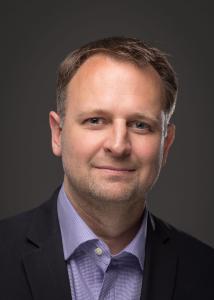
By Todd Faubion - Faculty Director for Undergraduate Programs, Global Health
Dr. Benjamin Anderson and Dr. Jillian Pintye were both recently recognized by the Washington Global Health Alliance (WGHA) with a pair of awards. Winners were selected by a panel of global health experts chaired by Erin McCarthy, senior program officer at the Bill & Melinda Gates Foundation and WGHA board member. Anderson, a professor of Global Health, earned the Pioneers Award for Impact. Pintye, an Assistant Professor Global Health, received the Pioneers Rising Leader honor.
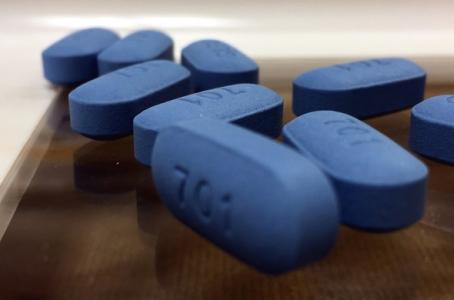
A recently awarded grant will allow Connie Celum, a University of Washington professor of Global Health and Medicine, to evaluate whether doxycycline—an antibiotic commonly used to treat acne and Lyme disease—is safe and effective in reducing bacterial sexually transmitted infections. The study focuses on men who have sex with men (MSM) and transgender women (TGW) living with HIV and taking pre-exposure prophylaxis (PrEP), a daily pill used to prevent HIV.
Wednesday, June 12, 2019 marked the 12th Department of Global Health graduation since the department’s founding in 2007. This year’s celebration saw a record number of students, as 74 students received their degrees, up from last year’s total of 56. Of the 74 graduates in the Class of 2019, 62 received Masters in Public Health and 12 earned PhDs in Global Health Implementation Science, Global Health Metrics, or Pathobiology.
by Oliver Milman, The Guardian
Deaths are predicted for any year that was the warmest for 30 years, a dire scenario that would be avoided if the world stuck to Paris climate agreement
Thousands of heat-related deaths in major US cities could be avoided if rising global temperatures are curbed, new research has found.
Mina Halpern’s interest in global health issues began when she worked as a peer educator at Planned Parenthood while attending high school in Olympia. She says this experience sparked a passion for the field of HIV, eventually leading her to the University of Washington, where she graduated with a Master’s in Public Health in 2006.
Part of the University of Washington Department of Global Health’s wide-ranging reach includes involvement in Washington state high schools that have designed global health classes of their own. Tami Caraballo teaches at Glacier Peak High School in Snohomish, about 25 miles north of Seattle. Caraballo is in her fourth year teaching a Global Health 101 course, and has nearly ten years of experience teaching Advanced Molecular Biology for Global Health.
Preventing mother-to-child HIV transmission, conducting novel research on West Nile Virus, and developing better approaches to mental health are just some of the ways that UW global health students are already making positive health impacts locally, nationally and globally. Each year, the Department of Global Health recognizes graduating Master’s, PhD and medical student scholars who are exemplary students and engaged leaders in global health.
This year’s awardees included Rabi Yunusa, who received the Global Health Outstanding Master’s Student award.
On May 16, 2019, the University of Washington welcomed Stephen Lewis, co-director of AIDS-Free World, for the Stephen Gloyd Endowed Lecture. Lewis co-founded AIDS-Free World in 2007 with the hopes of starting a non-profit organization that creates more effective worldwide responses to HIV and AIDS. The organization examines several factors within the AIDS epidemic, including discrimination and violence against women, the LGBT community, disabled persons, and poor and marginalized populations.
Dr. Grace John-Stewart, a professor of global health, epidemiology, medicine, and pediatrics at the University of Washington, was recently awarded an $828,368 grant from the National Institutes of Health and the US Department of Health and Human Services. The grant is titled “The effect of HIV exposure and infection on immunity to TB in children”.