King K. Holmes, 87, Dies; Researcher Destigmatized Study of S.T.I.s
He took a down-to-earth approach to sexually transmitted infections, a subject no one wanted to discuss, arriving at novel methods of treatment and prevention.
The MPH Practicum Symposium is an essential part of the MPH candidate experience as it enables our students to take what they’ve learned in the classroom and apply it to the real world of public health. This year, 26 DGH MPH students showcased their innovative, community-driven projects at the 27th Annual MPH Practicum Symposium. Working with various local and global organizations, our students helped address some of the most pressing public health challenges of our time, and made lasting connections with public health agencies across the globe.
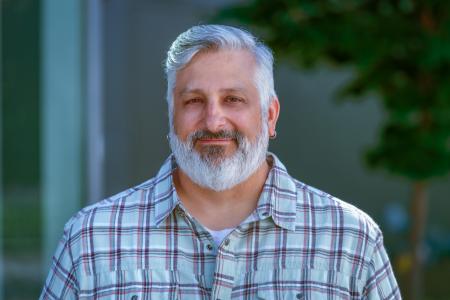
In studying sexually transmitted infections at a time when research on the topic was almost nonexistent in the U.S., Holmes became a world-renowned pioneer in demystifying the field. Holmes was 87 when he died Sunday in Seattle.
King K. Holmes, MD, PhD, the founding Chair of the Department of Global Health (DGH) and a long-standing leader in the Division of Allergy & Infectious Diseases in the UW Department of Medicine, died on Sunday, March 9, 2025. He passed peacefully with the loving support of his family and close friends.
Dr. Holmes, 87, was the father of the previously neglected field of sexually transmitted diseases and an early leader in AIDS care and research.
The field of implementation science seeks to systematically close the gap between what we know and what we do; the Implementation Science Program (IS Program) at the UW Department of Global Health (DGH) aims to do it better.
Healthcare workers at the University of Washington’s International Training and Education Center for Health in Zimbabwe were dismissed from their jobs shortly after executive orders pausing foreign aid.
Extreme temperatures — mostly heat — are projected to kill as many as 2.3 million people in Europe by the end of the century unless countries get better at reducing carbon pollution and adapting to hotter conditions, a new study says. University of Washington public health and climate scientist Kristie Ebi weighs in.
As of President Donald Trump’s first day back in office Monday, the United States is leaving the World Health Organization (WHO). University of Washington professor of Global Health Carey Farquhar weighs in on what this means for our country's public health.