It has been over a hundred years since the first tuberculosis vaccine was invented, and yet tuberculosis remains the world’s deadliest infectious disease. That is now poised to change. There are several new TB vaccines now in phase III clinical trials and the world is closer than ever to a breakthrough that could save 8.5 million lives by 2050. Yet questions remain regarding how well the new vaccines will be accepted by the public, especially in a time where vaccine hesitancy and mistrust is at an all-time high.
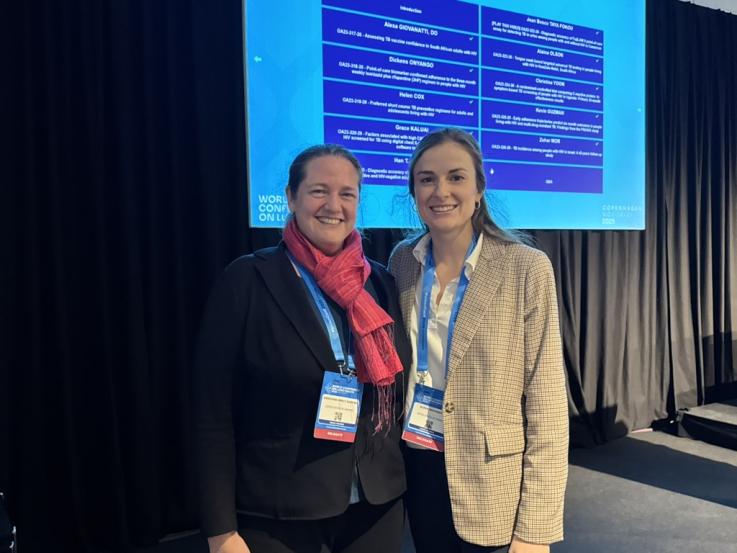
DGH faculty member Dr. Adrienne Shapiro, along with Infectious Disease Fellow Dr. Alexa Giovanatti are working to anticipate how the global population (using Kenya and South Africa as sample populations) may feel about a new tuberculosis vaccine.
Drawing on responses to recent introductions of the COVID-19, HPV, and other childhood vaccines in these countries, the researchers have been working to identify potential barriers in rollout of the new vaccines, and help other researchers, public health officials, and community health workers plan and prepare for a smooth rollout of the new tuberculosis vaccine in Kenya, South Africa, and Sub-Sarahan Africa. “Understanding risk perception of tuberculosis in the communities that will receive the vaccines is very important to successfully promote vaccine uptake” shared Dr. Shapiro.
With the new tuberculosis vaccines anticipated in a few short years, community healthcare and public health employees must begin crafting and tailoring tuberculosis education programs. “Early community engagement and education on TB and its vaccines will be key to future TB vaccine campaigns,” explained Dr. Giovanatti. “This could include partnering with peer navigators, training vaccine providers on TB stigma reduction, and promoting the TB vaccine on health authority websites and social media.”
With the increased vaccine hesitancy following rollout of COVID-19 vaccines, research on attitudes towards a TB vaccine is urgently needed. By better understanding vaccine hesitancy and mistrust, as well as continuing to foster feelings of collective responsibility and trust in healthcare workers, health officials can work to tailor education programs, to increase awareness and understanding of tuberculosis and the new vaccines in priority populations.
Read the full article here.